Magic Fairy Flying Review
As an embroidery designer who has spent years refining designs for everything from high-volume corporate uniforms to delicate boutique merchandise, I approach every new digital file with a mix of creative excitement and commercial scrutiny. When evaluating a design like Magic Fairy Flying, my primary focus shifts immediately from "how pretty is this?" to "will this sell?" and "will it hold up in the real world?" This review breaks down the potential of this Fairy Tales category piece for small business owners, Etsy sellers, apparel decorators, and craft brands looking to add whimsical yet professional touches to their product lines.
First Impressions: Personality and Brand Fit
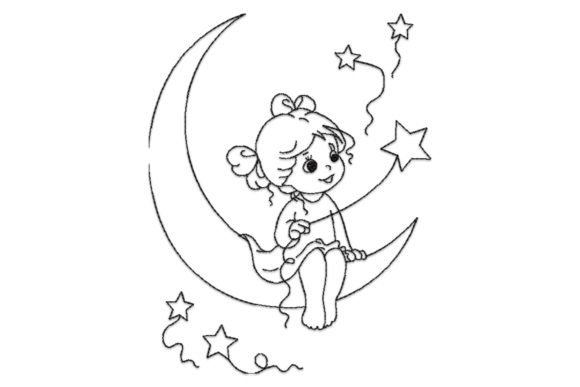
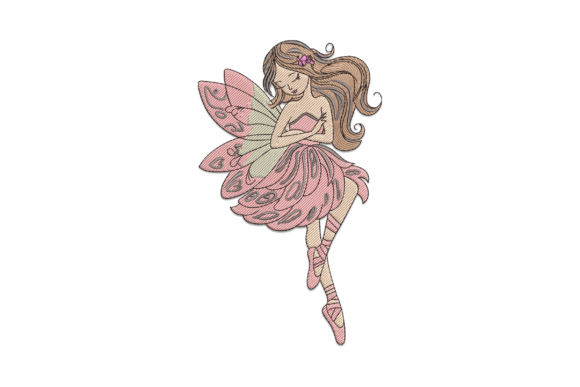
The title Magic Fairy Flying suggests a sense of movement, lightness, and enchantment. From a branding perspective, this design does not scream "corporate stiffness" or "industrial ruggedness." Instead, it offers a charming, friendly, and slightly quirky flair that aligns perfectly with businesses aiming for a handmade, premium, or playful aesthetic. For a local bakery, a florist shop, or a children’s boutique, this design can serve as a visual shorthand for creativity and care.
However, the term "delightful" in the product description requires careful interpretation. In embroidery, delight often comes from clean stitch work and appropriate scale. If the design features intricate outlines or tiny details, it risks losing its charm when reduced to the size of a chest logo or a small patch. The first impression is one of potential warmth, but its success depends entirely on execution. It feels elegant enough for a wedding favor tag but perhaps too delicate for heavy-duty workwear unless stylized correctly.
Real-World Business Applications
To determine if Magic Fairy Flying belongs in your production queue, we must look at where it performs best. This machine embroidery design shines when used as an accent rather than the sole focal point on large items. Here is how it translates across various small business merch categories:
- Embroidered Patches: This design is ideal for creating sew-on or iron-on patches. These are highly sought after by crafters for personalizing denim jackets, beanies, and backpacks. As a standalone embroidered patch, it allows customers to add a touch of magic to their own gear, increasing perceived value.
- Apron Embroidery: For bakeries, cafes, or cooking classes, placing a smaller version of this design on the pocket of a canvas apron adds a personalized touch without overwhelming the garment. It signals hospitality and attention to detail.
- Tote Bag Design: A tote bag design featuring this motif appeals strongly to eco-conscious shoppers and book lovers. Positioned near the zipper or on the side panel, it serves as a subtle brand marker that customers are proud to carry.
- Cap Embroidery: While cap fronts are limited in space, a well-scaled fairy motif can work beautifully on the side or back of a cap, offering a unique alternative to standard text-based logos.
- Product Packaging Accents: Beyond apparel, this design can be digitized onto tags attached to jewelry boxes, candle jars, or handmade soap bars. It elevates unboxing experiences, making the finished product feel more luxurious.
Strategic Placement for Maximum Impact
When integrating Magic Fairy Flying into custom apparel, consider its role in the overall composition. It works exceptionally well as a sleeve detail on a plain white tee, adding a pop of character that draws the eye. For staff uniforms in a creative studio, using it sparingly—perhaps on a name badge or a specific team vest—can foster a sense of community and fun without compromising professionalism.
Critical Considerations for Production
Not all designs are created equal, and even the most beautiful artwork can fail in production if technical aspects are ignored. Here is what you need to watch out for when using this file in commercial projects.
Size and Detail Limitations
The biggest risk with fairy-themed designs is oversimplification. If the original artwork relies on thin lines or tiny negative space, these elements may fill in during stitching, resulting in a muddy blob. Before committing to bulk production, you must test the design at its smallest intended size. Does the fairy’s wing still read as distinct? Is the outline clear? If the design loses its definition below 2 inches, it should be reserved for larger applications like tote bags or full-back prints, rather than small embroidered patches.
Fabric and Stabilizer Compatibility
The performance of any digital embroidery file is heavily dependent on the substrate. On textured fabrics like raw linen or thick fleece, the fine details of Magic Fairy Flying might get lost. Conversely, on smooth cotton twill or polyester blends, the stitches will lay flat and crisp. Always use a proper stabilizer—cut-away for stretchy knits and tear-away for wovens—to prevent puckering. Puckering distorts the image, making a cute fairy look distorted and unprofessional.
Thread Color Contrast
Visual impact relies on contrast. Ensure your chosen thread colors stand out against the base fabric. A pastel fairy on a light gray shirt may lack visibility, whereas a metallic gold or bright white thread on navy blue could create a stunning magical effect. Test different thread combinations to see which enhances the "magic" aspect of the design.
Impact on Brand Identity and Customer Trust
In the world of handmade products and boutique retail, consistency builds trust. Using a cohesive set of design assets helps customers recognize your brand instantly. If Magic Fairy Flying fits within your existing visual language, it reinforces a brand identity centered on whimsy, quality, and charm. However, if your brand is minimalist and modern, this design might clash with your aesthetic. Evaluate whether the "quirky flair" described in the product info aligns with your target audience’s expectations.
Furthermore, high-quality embroidery signals durability and care. Customers associate well-executed stitching with a higher price point and better craftsmanship. By investing in a clean, well-digitized version of this design, you are signaling to buyers that you value their investment, thereby increasing customer loyalty and engagement.
Practical Designer Notes for Success
Before you start stitching, follow these essential steps to ensure your project runs smoothly:
- Black and White Test: Convert the design to black and white in your digitizing software. This helps you assess the density and spacing without the distraction of color.
- Hoop Size Confirmation: Verify the required hoop size. Ensure your machine can accommodate the design dimensions comfortably, leaving room for tension adjustments.
- Mockup Creation: Create a printable mockup or a digital render on your actual product before cutting fabric. This saves material and time.
- Commercial Licensing: Most importantly, confirm the commercial licensing terms of the embroidery file. Just because you bought the file does not always mean you have the right to sell the finished goods. Check the license agreement carefully.
- Stitch Density Check: Review the stitch density. High density can make a patch stiff and uncomfortable, while low density may show the backing material through. Aim for a balance that ensures durability and comfort.
Final Verdict
Magic Fairy Flying is a versatile asset for businesses looking to inject personality into their merchandise. It is particularly effective for handmade product lines, event merch, and boutique accessories where a touch of fantasy is welcomed. However, its success hinges on proper scaling, fabric selection, and attention to detail. By treating this design as a strategic business tool rather than just a decorative element, you can leverage its charm to enhance your brand identity and drive sales. Always test thoroughly, respect the technical limitations of embroidery, and let the magic speak through quality execution.