Flying Crane Embroidery Design Review
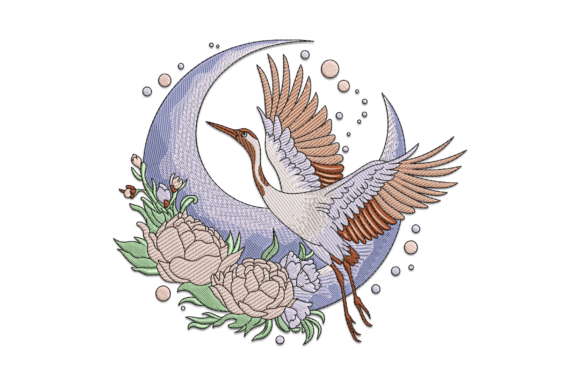
If you are prepping for a busy weekend craft fair or refreshing your Etsy seller inventory, the visual impact of your booth is everything. As an experienced embroidery designer, I spend a lot of time evaluating digital assets not just for their artistic merit, but for their commercial viability. Today, I am reviewing the "Flying Crane" machine embroidery design to determine if it has what it takes to be a standout craft fair product.
The description promises a "charming update" with a "fun and quirky flair." For handmade market sellers, that combination of charm and quirkiness is often the sweet spot. It suggests something approachable yet distinct enough to stop a browser in their tracks. Let’s break down how this embroidery file performs across various products, from practical kitchen items to statement accessories.
First Impressions: The Charm Factor
When you first load a new digital embroidery file, you are looking for clarity and character. The "Flying Crane" title immediately evokes imagery of elegance, movement, and nature. However, the description’s emphasis on "quirky" suggests this isn’t a stiff, traditional heraldic crane. Instead, it likely leans toward a stylized, perhaps slightly whimsical interpretation.
In a physical setting, this distinction matters. A purely elegant crane might feel too formal for a casual tote bag, whereas a quirky version feels playful and modern. This design strikes a balance that works well for small shop product lines that aim for a boutique aesthetic without being overly serious. It feels decorative yet accessible, making it ideal for customers who want something unique but not intimidating.
Product Application: Where It Shines
To maximize sales, you need to match the design scale and style to the right canvas. Here is how "Flying Crane" translates across key categories:
- Tote Bag Design: Canvas totes are the bread and butter of any craft fair. Placing the crane centrally or as a diagonal accent allows the design to breathe. The "quirky" aspect shines here, turning a plain bag into a conversation starter. Ensure the placement doesn’t interfere with the bag’s handles.
- Apron Embroidery: Kitchens are high-traffic areas for home decor. An apron featuring this bird adds a touch of personality to cooking. Because aprons often have curved seams, ensure the design fits comfortably within the flat chest panel. It elevates a basic utility item into a giftable piece.
- Tea Towel Embroidery: Linen or cotton tea towels are excellent for showcasing stitch detail. If the design includes fine lines, check the stitch density carefully. On textured towel fabrics, bold outlines help the crane stand out against the weave. These sell well as impulse buys near the checkout counter.
- Embroidered Patch: Converting this design into a patch format (with a zig-zag border) creates a versatile accessory. Patches can be sewn onto denim jackets, backpacks, or caps. This expands your reach beyond home goods into fashion-forward merchandise.
- Caps and Headwear: Curved surfaces require careful digitizing. If the crane is too wide, it may pucker on a baseball cap. A smaller, centered placement works best here. Consider using a sturdy stabilizer to maintain shape.
- Pillow Covers and Home Decor: For larger items like pillow covers, the crane can serve as a focal point. This appeals to buyers looking for coordinated room accents. The "charming" vibe fits perfectly with farmhouse or modern rustic interiors.
Visual Appeal and Customer Attention
At a craft fair, you have about three seconds to grab attention. The "Flying Crane" design excels in this regard because birds are universally appealing subjects. They convey freedom, grace, and nature—themes that resonate with a broad audience.
For your printable mockup photos, lighting is key. Natural light will highlight the texture of the thread and the fabric. Avoid cluttered backgrounds; let the crane be the hero. When customers see the finished product, they should immediately grasp the mood: fun, lighthearted, and skilled. This perception directly impacts perceived value, allowing you to price your items confidently as premium handmade goods.
Consistency is also crucial for brand building. If you use "Flying Crane" across multiple items—a matching set of a tote and a tea towel—you create a cohesive collection. Buyers love sets, and it encourages higher average order values.
Practical Production Notes
Before you commit to a full production run, there are technical considerations every commercial embroidery producer must address.
Stitch Density and Detail: Examine the design for dense stitch areas. High density can cause puckering, especially on lightweight fabrics like thin cotton tees. If the crane features tiny details or small lettering, test these elements at their intended size. Tiny details often get lost in the stitching process or become muddy if the hoop shifts.
Fabric Texture and Contrast: The effectiveness of the design relies heavily on thread contrast. On dark fabrics, you will need underlay stitches to make the colors pop. On textured fabrics like waffle-weave towels, ensure the design isn’t so fine that it disappears into the weave. Always test on scrap fabric that matches your final product material.
Hoop Size and Stability: Confirm the required hoop size aligns with your machine’s capabilities. If the design is large, consider breaking it into sections if your machine has limited reach. Use the appropriate stabilizer—cut-away for stretchy knits, tear-away for wovens—to prevent distortion.
Batch Production: One of the biggest advantages of a simple, clean design like this is repeatability. Once you dial in your settings, you can produce batches efficiently. This is essential for meeting demand during peak seasons like holidays or summer fairs.
Final Verdict for Sellers
"Flying Crane" appears to be a strong candidate for your next product launch. Its blend of charm and quirkiness makes it versatile enough for both home decor and wearable accessories. It photographs well, which is critical for Etsy listings and social media marketing. It also offers the flexibility to be used as a standalone feature or part of a coordinated set.
However, remember that a great design file is only half the battle. Your success depends on execution. Test thoroughly, choose high-quality threads that complement the crane’s color palette, and present your finished products with care. By paying attention to these details, you transform a simple embroidery motif into a profitable, desirable handmade product.
Whether you are a seasoned pro or just starting out, adding a design with this kind of character to your repertoire can significantly boost your booth’s appeal. Just be sure to review the specific license terms before selling finished items commercially, and always keep a few samples on hand to demonstrate the quality to potential buyers.