Floral Honey Bee: A Seasonal Embroidery Review
As an experienced embroidery designer, I am constantly evaluating new digital files to see if they have the potential to become best-sellers in my own shop or recommended picks for my clients. When a design arrives with a title like Floral Honey Bee, my first instinct is to look past the literal subject matter and assess its versatility. Can this single motif carry weight across multiple seasons? Does it possess the emotional resonance that drives holiday purchases? After reviewing the file specifications and visual composition, I believe this design has significant merit for sellers looking to diversify their seasonal collections.
First Impressions and Emotional Tone
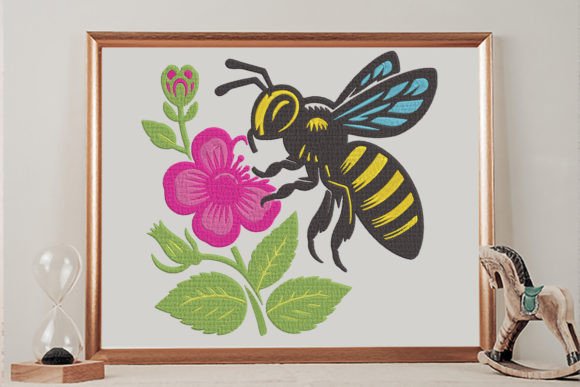
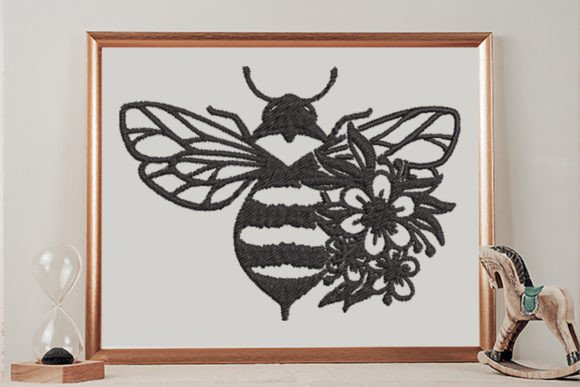
The immediate appeal of this machine embroidery design lies in its balance of whimsy and charm. The prompt describes it as lovely, but in practice, "lovely" translates to specific aesthetic choices. The integration of floral elements with a honey bee suggests a connection to nature, growth, and sweetness. This combination evokes feelings of nostalgia, warmth, and gentle playfulness. It is not aggressive or overly modern; rather, it feels timeless, making it suitable for a wide demographic.
For holiday product creators, this emotional tone is crucial. Shoppers are often seeking gifts that feel personal and heartfelt. A design featuring a bee and flowers can symbolize hard work, community, and natural beauty. These subtle messages resonate deeply with buyers looking for meaningful handmade gifts. Whether you are targeting the rustic aesthetic of autumn or the fresh beginnings of spring, the Floral Honey Bee bridges these gaps effectively. It avoids being strictly tied to one calendar date, allowing for extended sales windows during peak shopping periods.
Strategic Applications for Holiday and Seasonal Products
One of the most valuable traits of the Floral Honey Bee is its adaptability across various product categories. As a seller, your goal is to maximize the utility of each digital embroidery file by applying it to high-demand items. Here is how this design performs in real-world selling situations:
- Kitchen Towel Embroidery: This is perhaps the strongest application. The design fits perfectly on standard kitchen towels, offering a touch of whimsy to home decor. For holiday gatherings, these make excellent hostess gifts or wedding presents. The soft fabric highlights the thread colors beautifully.
- Tote Bag Design: A tote bag embroidered with a honey bee and florals appeals to the eco-conscious shopper. It works well for farmers market vendors, library events, or casual everyday use. The sturdy canvas material holds the stitch density well, ensuring the design remains crisp after repeated washing.
- Pillow Cover: Adding this design to throw pillows creates instant cozy home decor. It is ideal for living room accents or nursery themes. The round or square shape of the pillow provides ample space for the design to breathe, preventing a cluttered look.
- Sweatshirt Embroidery: For apparel decorators, placing the design on the chest or pocket area of a sweatshirt adds a premium touch. It pairs exceptionally well with earth tones like olive green, mustard yellow, or cream, enhancing the rustic vibe.
- Embroidered Patch: If the design allows for clean edges, it can be converted into an iron-on patch. These are popular for customizing denim jackets, backpacks, or hats, extending the life of the design beyond soft goods.
- Baby Items: The gentle nature of the bee and flower motif makes it safe and appealing for baby blankets, burp cloths, and onesies. Parents love subtle, non-gendered designs that feel elegant yet cute.
Considerations for Specific Use Cases
While the Floral Honey Bee is versatile, there are specific scenarios where caution is required. As a professional, I advise testing the design thoroughly before mass production. Certain factors can impact the final quality of the finished product.
First, consider the hoop size. If you plan to place this design on smaller items, such as baby socks or miniature ornaments, ensure the design scales down without losing detail. Tiny lettering or intricate floral centers may become muddy if the stitch count is too high for the available space. Always check the maximum dimensions of the embroidery file against your intended product size.
Second, evaluate the fabric texture and thickness. Thick towels or heavy denim require a robust stabilizer to prevent puckering. Conversely, delicate fabrics like silk or thin cotton blends may require a lighter touch to avoid distorting the material. If you are using metallic thread to enhance the bee’s wings or the flower centers, be aware that metallic threads can break more easily and may require slower stitching speeds.
Additionally, dark fabrics present a unique challenge. Unless the design includes a dense underlay or you are using white backing, the contrast might be lost. Test thread colors on both light and dark fabric to ensure visibility. For dark garments, a cut-away stabilizer is often necessary to maintain structure over time.
Impact on Seasonal Appeal and Brand Consistency
Incorporating the Floral Honey Bee into your collection does more than just add a new item; it enhances your brand’s visual identity. Consistent use of cohesive motifs helps customers recognize your style. If your shop focuses on nature-inspired, handcrafted goods, this design reinforces that narrative.
From a marketing perspective, this design offers rich opportunities for social media previews and printable mockups. The vibrant colors and organic shapes photograph well, making them ideal for Instagram pins or Etsy listing images. You can create gift bundles, such as a matching set of a kitchen towel and a tote bag, to increase average order value. Limited edition apparel drops featuring this design can create urgency among collectors who appreciate unique, small-batch production.
Furthermore, the design supports personalized gifts. Customers often seek items that feel custom-made. By offering monogramming alongside the Floral Honey Bee, you add perceived value. A customer might choose a pillow cover with their family name embroidered near the bee, creating a sentimental keepsake. This level of personalization builds customer trust and encourages repeat business.
Practical Designer Notes for Success
To ensure your seasonal products stand out, follow these practical steps when working with this digital embroidery file:
- Test Thread Colors: Before committing to a large run, stitch a sample using your chosen thread palette. Observe how the colors interact with the fabric. Earthy tones often complement the bee theme better than neon shades.
- Check Stitch Density: High stitch counts can lead to stiff fabrics, while low counts may look sparse. Adjust the density if necessary to suit the specific material you are using.
- Use Proper Stabilizer: Match your stabilizer to the fabric weight. Hoop stability is critical to prevent shifting, which ruins alignment and detail.
- Create Realistic Mockups: Use high-quality mockups to showcase the design in context. Show the product being used in a home setting to help buyers visualize ownership.
- Review Small Details: Zoom in on the digital file to inspect fine details. Ensure that petals and bee wings are distinct and will stitch cleanly.
- Plan Matching Palettes: Develop a color story for your seasonal drop. Coordinate the Floral Honey Bee with other designs in your shop to create a unified collection.
- Confirm Commercial Licensing: Always verify the commercial rights of the embroidery file before selling finished products. Respecting intellectual property protects your business and maintains ethical standards.
In conclusion, the Floral Honey Bee is a strong candidate for any seasonal product line. Its blend of whimsy, charm, and versatility makes it suitable for a wide range of applications, from home decor to apparel. By carefully considering fabric choices, stabilization methods, and marketing strategies, you can leverage this design to create profitable, beloved handmade gifts. Whether you are an Etsy seller, a small shop owner, or a craft fair exhibitor, adding this piece to your repertoire is a smart move for engaging customers during the busy holiday season.