Beautiful Bouquet of Flowers
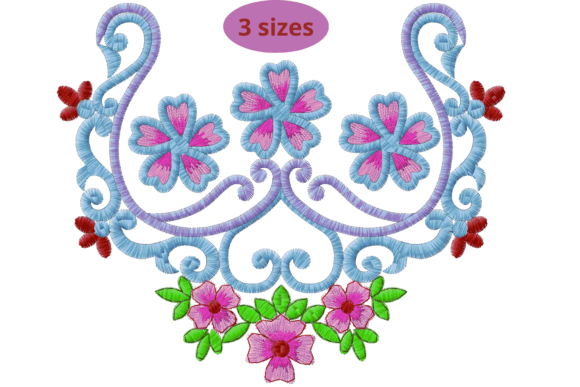
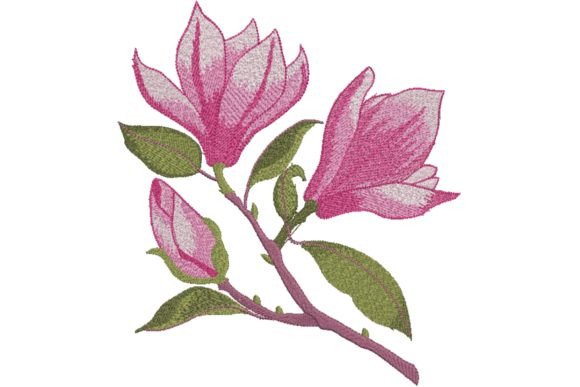
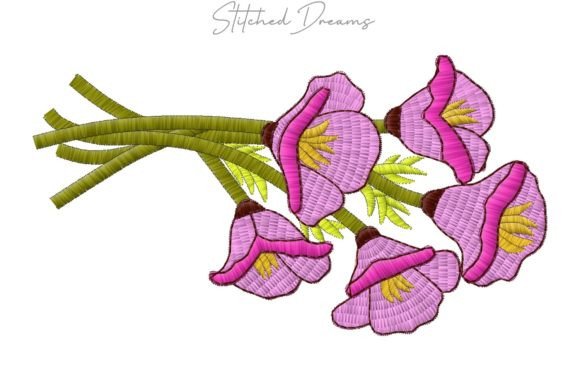
As an embroidery designer who spends weekends hunched over a sewing machine at craft fairs, I have learned one hard truth: customers buy with their eyes before they ever ask about price. When you are setting up a booth for a weekend market, your display needs to stop traffic. You do not have time to explain the intricacies of your process; the product must speak for itself. This is why I review every digital file as if it were going on my own table. Today, we are looking at a design titled Beautiful Bouquet of Flowers, described as a masterpiece crafted to bring floral elegance to your projects. But does it actually sell? Does it photograph well? And will it hold up under the scrutiny of a busy handmade shop owner?
The First Impression: Elegance Meets Marketability
The title and description suggest a design that leans into elegant and intricate territory. In the world of machine embroidery, "intricate" can be a double-edged sword. It promises high value, but it also risks visual clutter if not executed correctly. From a distance, a bouquet needs to read as lush and abundant. Up close, it needs to show texture without overwhelming the eye. If this design captures that balance, it has the potential to be a premium item. It feels less like a quick stitch-and-ship novelty and more like a decorative piece worthy of a higher price point. For an Etsy seller or a boutique maker, this distinction is crucial. You want your work to feel premium and handmade quality, not mass-produced.
Product Applications: Where Will It Shine?
Not every embroidery file works on every surface. To maximize sales, you need to match the design’s scale and detail level to the right crafter fair product. Here is how I envision Beautiful Bouquet of Flowers performing across different categories:
- Tote Bags and Market Bags: A tote bag is the canvas of the craft fair. A large, centered bouquet on a canvas tote creates a bold statement. However, ensure the design is sized appropriately so the flowers do not look cramped. On a light-colored canvas, this design will pop. On dark fabric, you may need a heavy cut-away stabilizer to prevent puckering.
- Apron Embroidery: This is a classic bestseller. Placing the bouquet in the chest pocket area or centered below the bib adds a touch of farmhouse charm. The key here is thread contrast. If your aprons are white, use vibrant thread colors. If they are denim, soft pastels might look stunningly elegant.
- Tea Towel Embroidery: Kitchen linens are impulse buys. They are low-cost entry points for customers. A smaller version of the bouquet works perfectly here. Because tea towels have a specific fabric texture, ensure the design stitches are dense enough to cover the weave but not so dense that they stiffen the cloth uncomfortably.
- Embroidered Patches: If the design has a clean outline, it translates beautifully to iron-on patches. These are highly portable and allow customers to customize hats or jackets themselves. Check the stitch density closely; patches need to be sturdy enough to withstand washing.
- Pillow Covers and Home Decor: For a higher-ticket item, a large bouquet on a linen pillow cover screams sophistication. This appeals to buyers looking for home accents rather than just accessories. It elevates your brand from "crafty" to "interior design."
Production Reality: What the Designer Needs to Know
Before you commit to a batch production run, you must treat this digital embroidery file with professional caution. Descriptions often promise "masterpieces," but the screen is not the hoop. Here are the practical steps I take before approving any design for sale:
- Test on Scrap Fabric: Never assume how a design will look until you stitch it. Use the exact fabric you plan to sell. Cotton behaves differently than polyester blends. Linen can distort if the hoop size is too tight or the stabilizer is insufficient.
- Check Stitch Density: Intricate designs often suffer from "spaghetti stitch" syndrome where threads overlap chaotically. Zoom in on the digital preview. Are there areas where the underlay stitches might show through the top layer? If the stitch density is too high for thin fabric, the material will pucker. If it is too low, the fabric texture will show through, ruining the elegance.
- Evaluate Thread Colors: Look at the color palette. Do the shades blend harmoniously? A bouquet needs depth. Flat, single-color shading looks cheap. Multi-color gradients create the 3D effect that customers love. Ensure you have enough spools to execute the design without frequent thread changes, which slows down production.
- Confirm Hoop Size Constraints: Does the design fit standard hoops? If it requires a specialized large frame, your production speed will drop significantly. For a weekend market, efficiency matters. You need to produce units quickly to meet demand.
Selling Points: Visual Appeal and Customer Engagement
Why would a customer choose your embroidered bouquet over a printed one? The answer lies in visual appeal and brand consistency. Embroidery adds texture. Light catches the threads, creating subtle shadows and highlights that prints cannot replicate. This tactile quality justifies a higher price tag. When a customer picks up your small shop product, they feel the quality immediately.
Furthermore, floral designs are timeless. They appeal to a broad demographic, from young brides to grandmothers. This versatility makes them safe inventory choices. You can market the same design across multiple products—caps, pouches, and gifts—creating a cohesive collection. This design assets strategy helps build a recognizable brand identity. Your booth looks curated and professional, not random.
Careful-Use Notes: Avoiding Common Pitfalls
Even a beautiful design can fail if technical details are ignored. Be wary of tiny details in the center of the flower heads. At small sizes, these may merge into a blob. If you plan to offer miniaturized versions, simplify the inner petals. Also, avoid placing intricate designs on curved surfaces like caps unless you have significant experience with cap hoops. The distortion can ruin the symmetry of the bouquet. Finally, always inspect your finished product for loose threads and stabilizer remnants. A messy back kills the perception of commercial embroidery excellence.
Final Verdict
The Beautiful Bouquet of Flowers has all the hallmarks of a strong performer for craft fairs and online shops. Its focus on elegance and intricacy positions it as a premium item. However, its success depends entirely on execution. By testing thoroughly, choosing the right fabrics, and presenting it professionally, you can turn this digital file into a tangible asset for your business. Remember, the goal is not just to make something pretty, but to make something that sells. With careful preparation, this bouquet could easily become a centerpiece of your next handmade market display.