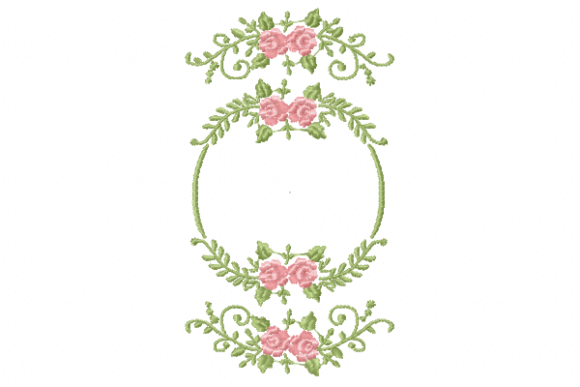
Branches and Flowers: A Seasonal Embroidery Review
As an embroidery designer who spends countless hours testing stitches, evaluating thread tension, and planning seasonal collections for small businesses, I approach every new digital file with a critical eye. We are not just looking at pretty pictures; we are looking at marketability, production efficiency, and customer satisfaction. Today, I am reviewing the Branches and Flowers design to determine its viability for our upcoming holiday and seasonal product lines. This review is designed for Etsy sellers, handmade gift makers, apparel decorators, and crafters who need reliable designs that convert browsers into buyers.
The First Impression: Mood and Aesthetic
When you first open the Branches and Flowers machine embroidery design, the immediate takeaway is its versatility. The aesthetic strikes a balance between rustic charm and elegant simplicity. It does not scream for attention like a loud graphic print might; instead, it offers a cozy, nostalgic warmth that resonates deeply during the colder months. For holiday shoppers, this emotional connection is crucial. They are not just buying a towel or a shirt; they are buying a feeling of home and comfort.
The design features organic lines that mimic natural growth, making it perfect for those who appreciate botanical themes without excessive clutter. It feels premium yet accessible. Whether you are targeting customers looking for modern minimalist decor or those who prefer traditional farmhouse styles, this floral motif fits seamlessly. The detail level is sophisticated enough to justify a higher price point on finished goods, yet clean enough to stitch reliably across various fabric types. It evokes a sense of calm and celebration, making it an ideal candidate for limited-time product drops leading up to major holidays.
Real-World Application for Holiday Sellers
Planning a seasonal collection requires knowing exactly where each design will shine. Here is how Branches and Flowers performs in real selling situations:
- Kitchen Towel Embroidery: This is perhaps the strongest use case. Hanging kitchen towels are staple items for holiday gifts. The design’s vertical or balanced composition works beautifully here, adding a touch of elegance to everyday chores. It pairs well with neutral backgrounds, allowing the embroidery to stand out.
- Sweatshirt Embroidery: As fall transitions into winter, cozy apparel becomes top-tier merchandise. Placing Branches and Flowers on the chest or pocket area of sweatshirts creates a subtle, high-quality look. It appeals to customers seeking personalized gifts that feel custom-made rather than mass-produced.
- Tote Bag Design: For craft fairs and holiday markets, reusable tote bags are essential. This design adds a soft, artistic flair that distinguishes your shop from competitors offering plain canvas bags. It suggests sustainability and style, two values highly prized by modern consumers.
- Pillow Cover and Home Decor: Seasonal home decor drives significant sales. Using this design on pillow covers allows customers to refresh their living spaces quickly. The floral theme bridges the gap between autumn harvest vibes and spring renewal, giving you a longer selling window for these items.
- Embroidered Patch and Apparel Accessories: Small accessories like patches for denim jackets or baby items benefit from the intricate yet clear nature of this design. It reads well even when scaled down, provided the hoop size is appropriate.
For Etsy sellers and small shop product creators, visual presentation is key. When creating printable mockup images for your listings, ensure the lighting highlights the texture of the threads. Showcasing the design on different fabrics helps customers visualize the final product, increasing trust and reducing return rates.
Technical Considerations and Potential Pitfalls
While Branches and Flowers is versatile, no design is universally perfect. An experienced designer knows where to exercise caution to protect their reputation and profit margins.
- Small Hoop Sizes: If you plan to offer tiny embroidered ornaments or miniature patches, test this design thoroughly. Intricate floral details can get lost if the scale is too small. Ensure the negative space is sufficient so the branches do not merge into a blurry blob.
- Thick Towels and Fabric Texture: When stitching on terry cloth or thick bath towels, the needle penetration can be challenging. You may encounter puckering if the stitch density is too high relative to the fabric weight. Always use a cut-away stabilizer to support the heavy fabric and prevent distortion.
- Dark Fabric and Thread Colors: Contrast is everything. On dark fabrics, standard pastel threads might disappear. You must test various thread colors, including metallics or bright whites, to ensure visibility. Conversely, on light fabrics, dark threads provide striking definition.
- Stretchy Garments: If applying this to knitwear or stretchy jersey materials, stabilization is non-negotiable. Without proper backing, the stitch density can cause the garment to warp, ruining the fit and finish.
- Curved Caps and Complex Shapes: While possible, embroidering flat designs onto curved surfaces like baseball caps requires advanced hooping techniques. For beginners, stick to flat items like aprons, table linens, and flat garments to ensure consistent quality.
Strategic Value for Seasonal Marketing
Incorporating Branches and Flowers into your inventory does more than just add a new item; it enhances your brand’s overall appeal. During holiday shopping periods, customers are overwhelmed with choices. A cohesive collection featuring a well-executed design like this builds customer trust. It signals that you pay attention to detail and quality.
This design also supports giftability. It is neutral enough to be given to anyone—parents, grandparents, teachers, or friends—without offending personal tastes. This broad appeal reduces the risk of unsold inventory. Furthermore, it encourages bundle sales. Customers are more likely to purchase a matching set (e.g., a towel and a potholder) when the design language is consistent. This increases your average order value, which is vital for the profitability of commercial embroidery businesses.
Practical Designer Notes for Production
Before you start mass-producing items using the embroidery file for Branches and Flowers, follow these essential steps:
- Test Stitch Density: Check the digitization to ensure the stitch count is optimized. Excessive stitching wastes time and thread, while insufficient stitching looks cheap. Adjust density settings in your software if necessary to suit your specific machine.
- Confirm Hoop Size: Verify the maximum dimensions required. This ensures you are not wasting expensive hoops on designs that don’t fit, or worse, trying to force a large design into a small hoop, which leads to misalignment.
- Use Proper Stabilizer: Match your stabilizer to your fabric. Lightweight tear-away for stable wovens, cut-away for knits and heavy towels. This step is often overlooked but is the difference between a professional finish and a distorted mess.
- Create Realistic Mockups: Use high-quality photography or digital rendering to show how the design looks on actual products. Avoid generic templates that look fake. Authenticity sells.
- Review Commercial Licensing: Before listing any finished goods for sale, double-check the digital embroidery file license. Some designers restrict commercial use or require additional fees. Respecting intellectual property protects your business from legal issues.
In conclusion, Branches and Flowers is a strong contender for any seasonal collection. Its blend of aesthetic appeal, versatility, and emotional resonance makes it a smart investment for handmade gift creators and apparel decorators. By paying attention to technical details like stabilization and thread choice, you can transform this simple floral design into a best-selling product that delights customers and boosts your bottom line. Remember, the success of a seasonal embroidery project lies not just in the design itself, but in the care and precision applied during production.