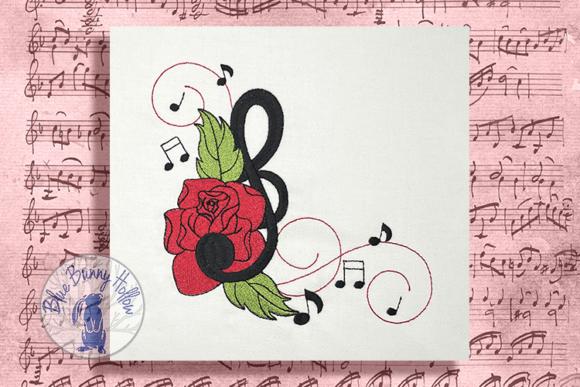
Rose and Treble Clef Design Review
As an embroidery designer who has spent years translating visual concepts into stitched reality for small businesses, I approach every new machine embroidery design with a critical eye. It is not enough for a design to simply look pretty on a screen; it must function flawlessly when executed in thread, withstand the wear of daily use, and elevate the brand identity of the business applying it. Today, I am reviewing Rose and Treble Clef, a design that promises to blend botanical elegance with musical heritage. For small business owners, Etsy sellers, and merch creators, understanding the practical application of such designs is crucial for creating high-quality small business merch.
First Impressions: Visual Personality and Aesthetic Appeal
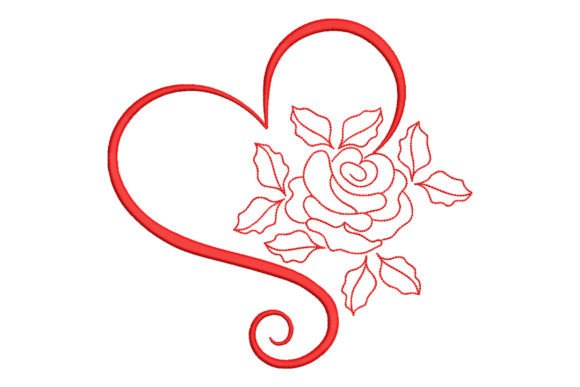
The description of Rose and Treble Clef suggests a piece that is both graceful and captivating. With a treble clef entwined around a red rose and accentuated by delicate musical notes, the design immediately conveys a sense of romance, artistry, and passion. From a branding perspective, this aesthetic leans heavily towards premium, elegant, and handmade product vibes. It feels classic yet modern, making it versatile for a variety of creative industries.
For a boutique, florist, or creative studio, this design offers a sophisticated touch that can significantly enhance brand identity. The intertwining elements suggest unity and flow, which are excellent metaphors for brands focused on harmony, creativity, or craftsmanship. However, the "delicate" nature of the musical notes requires careful consideration. While visually enchanting, these fine details define the line between a professional finish and a muddy stitch-out if not digitized correctly. The overall impression is one of refined beauty, suitable for customers who appreciate artisanal quality and thoughtful design.
Real-World Business Applications
The true test of any embroidery file lies in its versatility across different merchandise types. Rose and Treble Clef shows immense potential for various applications, particularly for businesses looking to expand their product lines with branded assets.
- Embroidered Patches: This design is ideal for creating iron-on or sew-on patches. These can be used as unique badges on denim jackets, backpacks, or tote bags, offering a customizable way for customers to express their personal style while supporting your brand.
- Staff Uniforms and Aprons: For cafes, bakeries, or florists, placing this design on the chest of a work shirt or the pocket of an apron adds a touch of personality without being overwhelming. It signals professionalism and attention to detail to customers.
- Cap Embroidery: The curved nature of cap fronts often benefits from balanced, central designs. If the digitization allows for proper curvature, Rose and Treble Clef could serve as a standout logo on beanies or baseball caps, especially for music-themed events or lifestyle brands.
- Tote Bag Design: As a tote bag design, this artwork works well as a centered chest print or a smaller accent near the handle. It appeals to shoppers who value aesthetics and are likely to carry the bag as a walking advertisement for your brand.
- Product Packaging Accents: Small embroidered labels featuring this motif can be attached to product packaging, adding a tactile, luxurious element that enhances the unboxing experience for handmade goods.
Furthermore, this design fits seamlessly into the world of commercial embroidery for event merch. Whether for a local music festival, a wedding, or a corporate retreat with a creative theme, Rose and Treble Clef offers a memorable keepsake that resonates emotionally with attendees.
Impact on Brand Identity and Customer Trust
High-quality embroidery communicates durability and care. When a customer sees a crisp, well-executed Rose and Treble Clef on a product, it subconsciously boosts trust in the brand’s overall quality. It suggests that the business invests in design assets that matter. In a crowded market like Etsy or craft fairs, this level of polish helps differentiate handmade products from mass-produced alternatives, justifying higher price points and fostering stronger buyer engagement.
Critical Considerations and Potential Pitfalls
While the aesthetic appeal is strong, there are specific areas where this design requires caution. As a designer, I must highlight the risks associated with certain applications to ensure a successful finished product.
One major concern is stitch density and detail retention. The description mentions "delicate musical notes." If these notes are too thin or spaced too closely, they may merge together during stitching, resulting in a blurry appearance rather than distinct symbols. This is particularly risky for small patch sizes or when embroidered on textured fabrics where the needle penetration can distort fine lines.
Additionally, color contrast is paramount. The design features a red rose against what is presumably a neutral background. On dark uniforms or black hats, the red must be vibrant enough to stand out, but if the fabric is too stretchy or dense, the thread may pucker. Testing on the actual fabric texture is non-negotiable. Avoid using this design on items that require frequent, heavy-duty washing unless you are confident in the stabilizer choice and thread quality, as repeated abrasion can fray delicate outlines.
Another limitation to consider is the hoop size. Ensure the digital dimensions fit comfortably within standard hoops for the intended garment. If the design is too large for a cap front or too small for a meaningful presence on a tote bag, it may fail to make the desired impact. Always verify the hoop size compatibility before committing to production runs.
Practical Designer Notes for Production
To ensure Rose and Treble Clef performs optimally in your business operations, I recommend following these practical steps before scaling up production:
- Test in Black and White: Convert the design to monochrome to check the balance of negative space and stitch coverage. This reveals structural weaknesses that color might hide.
- Check Small Scale Legibility: Reduce the design to the size of a typical patch (e.g., 2–3 inches) and inspect the musical notes. If they become indistinguishable, simplify the digitization or increase the scale.
- Review Thread Color Contrast: Experiment with different thread colors for the rose and clef. Sometimes a darker shade of red or a contrasting outline improves definition on various fabric types.
- Inspect Spacing and Density: Look closely at the areas where the clef wraps around the rose. Ensure there is adequate spacing to prevent thread breaks and excessive bulk.
- Confirm Hoop Size: Verify that the design fits your machine’s capabilities and the physical constraints of the item being embroidered.
- Test on Real Fabric: Never rely solely on digital mockups. Stitch the design on the exact fabric and stabilizer combination you plan to use in production. This reveals issues with puckering, shifting, or tension.
- Create a Printable Mockup: Use the design to create a printable mockup for client approval or marketing materials. This helps visualize the final look without wasting thread and time.
- Compare Beside Other Assets: Place the design next to your other logos or design elements to ensure visual consistency across your brand’s merchandise.
- Confirm Commercial Licensing: Before selling any products featuring this design, strictly verify the commercial licensing terms. Ensure you have the right to use the digital embroidery file for resale purposes to avoid legal complications.
In conclusion, Rose and Treble Clef is a compelling addition to any embroidery library for creative entrepreneurs. Its blend of floral and musical motifs offers a unique narrative that can strengthen custom apparel offerings and boost handmade product appeal. By carefully managing stitch density, testing on real materials, and ensuring proper licensing, small business owners can leverage this design to create professional, trustworthy, and visually stunning merchandise that resonates with customers.