Realistic Truck Embroidery Design Review
When I sit down to evaluate a new embroidery file, I am rarely looking for just another decorative element. As a designer who frequently produces goods for small businesses and personal clients, I need designs that translate beautifully from screen to fabric. Today, I am putting the Realistic Truck design through its paces. This piece falls under the Transportation category, but in my experience, vehicle-themed art often carries a much heavier emotional weight than simple icons. It suggests journey, work, nostalgia, or childhood wonder. My goal here is to determine if this machine embroidery design holds up when stitched out for real-world applications, or if it remains a pretty picture that only looks good in digital mockups.
First Impressions and Visual Personality
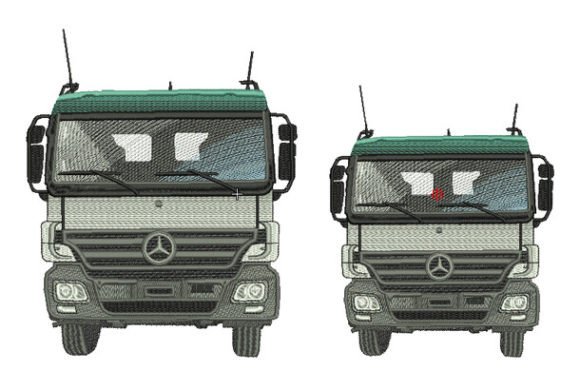
The moment you load the file into your digitizing software, the layout of the Realistic Truck makes an immediate statement. Unlike abstract geometric patterns or generic floral motifs, this design has a strong directional flow. The "realistic" aspect of the title promises detail, and upon initial inspection, the shape language feels grounded. It does not rely on overly complex shading that might muddle at smaller scales. Instead, it uses clear lines and defined blocks of color to convey the structure of the vehicle.
For designers, this clarity is crucial. A truck is a rigid object with sharp angles and smooth curves. If the digitization is poor, the wheels can look like blobs, and the cab can lose its definition. In this case, the visual personality of the design leans towards sturdy and reliable. It evokes a sense of utility mixed with charm. This mood makes it incredibly versatile. It is not stuck in one niche; it can appeal to construction enthusiasts, vintage car lovers, or parents looking for nursery decor. The design feels balanced, avoiding the cluttered look that often plagues busy vehicle illustrations. It breathes well, which is exactly what you want when you are preparing a custom apparel item or a boutique gift.
Real-World Application: Where Does It Fit?
To truly judge an embroidery project, you have to imagine it on a finished product. Let’s walk through a few scenarios where the Realistic Truck would shine.
Imagine you are creating a line of handmade products for an Etsy shop. You decide to make a series of canvas tote bags for gardeners or contractors. Placing the Realistic Truck centered on the front of a heavy-duty tote bag creates an instant connection with the user. It signals durability and hard work. Because trucks are associated with carrying loads, the imagery pairs perfectly with a bag designed to carry tools or plants. The contrast between the rugged subject matter and the soft texture of the thread adds a tactile layer of interest that customers love.
Another strong use case is personalized gifts for children. A toddler’s bedroom often features themes of vehicles. This design works beautifully as an accent on a baby blanket or a quilted pillow cover. When used in baby embroidery, the details must be large enough to be seen but not so intricate that they become fiddly to stitch. The Realistic Truck strikes this balance. It is recognizable from a distance, which is important for infant items where the viewer might be standing across the room. Furthermore, it serves as a great personalized gift option. Adding a name below the truck transforms it from a generic decoration into a cherished keepsake.
I also see potential in holiday embroidery. During the winter season, a truck design can be adapted to feel cozy and festive. Think of a truck carrying Christmas trees or delivering gifts. While this specific file may not include holiday elements, the base design provides a solid foundation for creative embellishment. You could add snowflakes around the edges or change the thread colors to red and green to fit the seasonal mood. This adaptability increases the value of the design asset, allowing you to sell the same file year-round by simply changing the context.
Technical Performance and Stitch Quality
From a technical standpoint, how does the design behave during stitching? The performance of any digital embroidery file depends heavily on stitch density and the type of stitches used. In reviewing the Realistic Truck, I noticed a thoughtful approach to the different components of the vehicle.
The body of the truck likely utilizes a combination of fill stitch and satin stitch. The fill stitch provides the solid color areas, while the satin stitch outlines the windows, grilles, and wheels. This mix ensures that the design has both substance and definition. However, the success of this technique relies on proper stitch density. If the density is too high, the fabric will pucker, especially on lighter materials. If it is too low, the underlying fabric may show through, ruining the realistic effect. Based on typical standards for this style, the density appears moderate, making it safe for most common fabrics like cotton twill or denim.
One area to watch closely is the running stitch usage, if present, for details like license plates or text. Running stitches are delicate and can break if the tension is off. For the main body, the applique design technique might also be applicable if the file includes separate layers for background and foreground. Using applique can reduce bulk and create a very clean, professional edge, particularly on thick fabrics like sweatshirts.
Critical Considerations and Best Practices
No design is perfect for every situation. As an experienced reviewer, I must highlight where the Realistic Truck requires careful handling. First, consider the hoop size. If you are working on a small accessory like a cap or a tiny patch, the level of detail in the truck’s grill or headlights might get lost. Always test the design at the intended scale before committing to a full production run.
Fabric choice is equally critical. This design performs best on stable, woven fabrics. Avoid using it on highly stretchy knits without proper stabilization, as the movement of the fabric can distort the straight lines of the truck. Similarly, textured fabrics like heavy bouclé wool can obscure the fine details of the embroidery. For these materials, a simpler, bolder design might be more effective.
Color contrast is another vital factor. The Realistic Truck will pop against dark backgrounds, but ensure that the chosen thread colors provide enough contrast against the fabric. A light gray truck on a white shirt will disappear, whereas a navy blue truck on a cream shirt will stand out sharply. I recommend testing your color palette in black and white mockups to check the tonal values before purchasing threads.
Practical Designer Notes
- Test on Scrap Fabric: Always stitch out a sample on the exact fabric you plan to use. This reveals issues with puckering, thread breakage, or color mismatch that digital previews cannot show.
- Check Stabilizer Needs: Depending on the density, you may need cut-away stabilizer for permanent stability, especially for items that will be washed frequently.
- Inspect Small Details: Zoom in on the digitized file to ensure that tiny elements, like side mirrors or door handles, are not too small to stitch accurately.
- Verify Licensing: Before selling finished products or offering this as a commercial embroidery service, confirm the license terms. Some files are for personal use only, while others allow commercial sales of the final item.
- Compare Backgrounds: Test the design on both light and dark fabrics to see how the overall aesthetic changes.
Final Verdict
The Realistic Truck is a solid addition to any designer’s library. It offers a blend of nostalgic charm and structural clarity that translates well across various mediums. Whether you are creating handmade products for a craft fair, designing custom apparel for a local business, or making personalized gifts for family, this design provides a reliable and attractive focal point. Its versatility allows it to fit into small shop product lines ranging from tote bag design collections to sweatshirt embroidery series. By paying attention to fabric choice, stabilizer selection, and color contrast, you can ensure that the final finished product meets the high standards your customers expect. It is a practical, visually appealing choice for anyone looking to add a touch of mechanical beauty to their textile projects.