Paw Prints Trail Embroidery Review
As an embroidery designer who has spent years translating visual concepts into stitch files for small businesses, I look at every design file with two minds: the artist and the entrepreneur. When a client sends over a digital asset or when I browse a marketplace like Etsy for commercial use, I am not just asking if it looks pretty. I am asking if it will hold up on a cap front, if it will read clearly on a tote bag, and if it adds perceived value to a handmade product. Today, I am reviewing Paw Prints Trail, a machine embroidery design that promises a playful and charming motif. For owners of pet brands, boutique bakeries, or creative studios looking to expand their small business merch, understanding the practical application of this design is crucial.
First Impressions and Visual Personality
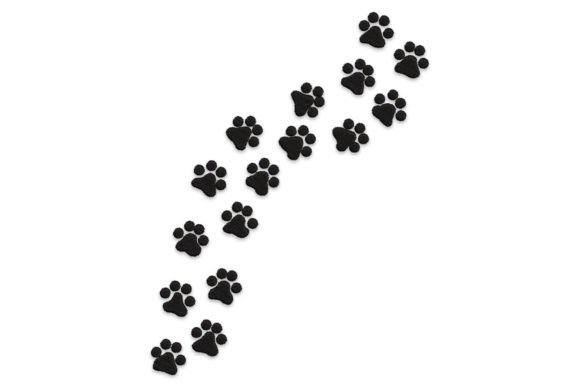
The title Paw Prints Trail immediately sets a specific tone. Based on the description featuring a series of paw prints arranged in a path, the design feels inherently friendly, rustic, and approachable. It does not scream corporate luxury; instead, it whispers "handmade," "authentic," and "welcoming." This makes it an excellent candidate for businesses that want to project warmth and community connection.
In the context of brand identity, this design works exceptionally well for industries where trust and personality are paramount. A local dog walker, a artisanal pet treat bakery, or a floral shop with a nature-centric theme can leverage this imagery to create instant recognition. The trail aspect suggests movement and journey, which subtly implies that the customer is embarking on an experience with your brand. Visually, it strikes a balance between decorative and functional. It is not so busy that it becomes cluttered, nor is it so sparse that it feels empty. It offers a strong graphic element that anchors a garment or accessory without overwhelming it.
Real-World Business Applications
The true test of any embroidery file is its versatility across different product types. Here is how Paw Prints Trail performs in real-world scenarios for small business owners and apparel decorators.
- Embroidered Patches: One of the most profitable items for crafters is the embroidered patch. This design translates beautifully into a patch format. Whether applied to denim jackets, backpacks, or work boots, the linear arrangement allows the eye to follow the trail naturally. It serves as a great accent piece that signals affiliation or support for animal welfare causes.
- Staff Uniforms and Aprons: For a café or a bakery that caters to pet-friendly customers, adding a subtle trail of paw prints along the hem or pocket of an apron adds a touch of whimsy without compromising professionalism. It helps staff feel part of a cohesive, branded team while signaling to customers that pets are welcome.
- Cap Embroidery: Curved surfaces present challenges for many designs, but a linear trail often follows the natural curve of a cap front or sits comfortably on the side panel. It creates a dynamic look that stands out in a sea of standard logos.
- Tote Bag Design: Canvas tote bags are a staple for Etsy branding. Placing Paw Prints Trail vertically down the strap or horizontally across the bottom hem creates a sophisticated yet playful detail. It elevates a simple canvas bag into a branded marketing tool that customers are happy to carry around town.
- Product Packaging Accents: Beyond apparel, this design can be used on fabric tags sewn into clothing lines or gift boxes. It adds a tactile, premium feel to the unboxing experience, reinforcing the handmade product aesthetic.
Brand Identity and Customer Trust
Consistency is key to building a recognizable brand. Using a distinct design asset like Paw Prints Trail across multiple touchpoints—caps, shirts, and bags—creates visual continuity. Customers subconsciously associate the quality of the embroidery with the quality of the product inside. A crisp, well-executed embroidery job signals attention to detail. If your logo is accompanied by high-quality stitched details like this trail, it enhances the overall perception of value. It tells the buyer that you care about the finishing touches, which builds trust and encourages repeat purchases.
Where to Exercise Caution
While this design is versatile, an experienced designer knows that not every surface is created equal. There are specific scenarios where Paw Prints Trail might struggle if not prepared correctly.
- Small Patch Sizes: If you intend to scale this design down significantly (under 2 inches), the individual paw prints may merge together. At very small sizes, the negative space between the pads and toes can fill in, turning the design into a muddy blob. Always check the legibility at the final production size.
- Curved Surfaces and Caps: While the linear shape fits caps well, ensure the digitization accounts for the curvature. On highly curved areas, stitches can pucker if the underlay is not robust enough.
- High Stitch Density: Paw prints often require dense fills to look solid. If the stitch density is too high for lightweight fabrics like thin cotton tees or synthetic blends, the fabric may pucker or become stiff to the touch. This can reduce comfort, especially on custom apparel worn all day.
- Dark Uniforms and Contrast: Ensure there is sufficient contrast between the thread colors and the base fabric. On dark uniforms, light-colored paw prints will pop, but dark threads on dark fabric will disappear. Plan your thread colors carefully during the mockup phase.
- Frequent Washing: For items like work shirts or aprons that undergo frequent industrial laundering, ensure the stabilizer used is appropriate. Poor stabilization can lead to puckering over time, making the finished product look worn and cheap.
Practical Designer Notes for Production
Before committing to a large production run, follow these essential steps to ensure quality control.
Test in Black and White: First, view the design file in monochrome. This helps you evaluate the composition and spacing without being distracted by color choices. If the layout works in black and white, it will likely succeed in color.
Check Hoop Size and Stability: Confirm the recommended hoop size for the design. If the trail is long, ensure your machine’s hoop area accommodates it without requiring re-hooping, which can misalign the stitching. Use a cut-away stabilizer for woven fabrics to prevent distortion, especially for tote bag design applications on heavier materials.
Inspect Spacing and Outlines: Look closely at the spacing between the paw prints. Is it consistent? Are the outlines clean? In a digital embroidery file, jagged edges or inconsistent gaps can ruin the professional look. If the file is editable, consider smoothing out any rough curves before production.
Create a Printable Mockup: Before stitching, generate a printable mockup and place it on photos of your actual products. Does it fit the aesthetic? Does it look balanced on the chest of a shirt or the side of a hat? This step saves money on wasted fabric and thread.
Confirm Commercial Licensing: This is perhaps the most critical step for small business owners. Ensure you have the correct license to use Paw Prints Trail for commercial purposes. Some designers allow personal use only, while others offer commercial licenses that permit selling finished goods. Verify these terms to avoid legal issues.
Compare Against Other Assets: Lay this design next to your primary logo. Does it complement it, or does it compete for attention? The best branding strategies use accent designs like this to support, not overshadow, the main brand mark.
Final Verdict
Paw Prints Trail is a charming, versatile addition to any design assets library focused on the Dogs category or general lifestyle brands. Its playful nature makes it ideal for creating memorable branded patches, engaging customer gifts, and distinctive apron embroidery. By paying attention to stitch density, fabric choice, and proper stabilization, small business owners can leverage this design to enhance their brand identity and drive sales. It is a simple concept executed with potential for significant impact, provided the technical details are handled with the care they deserve.