Honeycomb Bees Embroidery Design Review
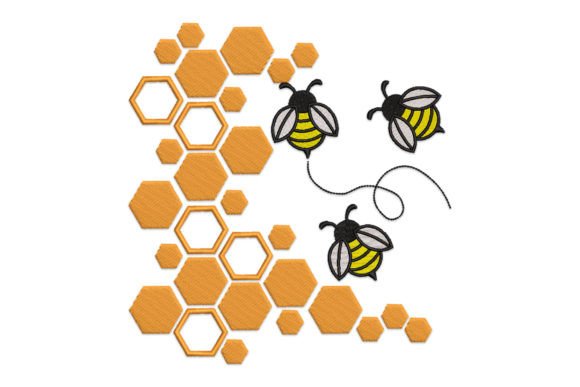
As an embroidery designer who spends weekends haggling over prices and arranging tables at local craft fairs, I have learned that the difference between a design that sits on the shelf and one that flies off it often comes down to immediate visual impact. When I first looked at the Honeycomb Bees embroidery design, I didn't just see a file; I saw potential inventory for my booth. This review is not just about the aesthetic quality of the stitches, but about how this piece performs in the real world of handmade commerce. We are looking at a design that promises charming and intricate depictions of honeybees and honeycombs, capturing the beauty and vitality of these industrious insects. But does it translate well to finished products?
First Impressions: Visual Appeal and Market Fit
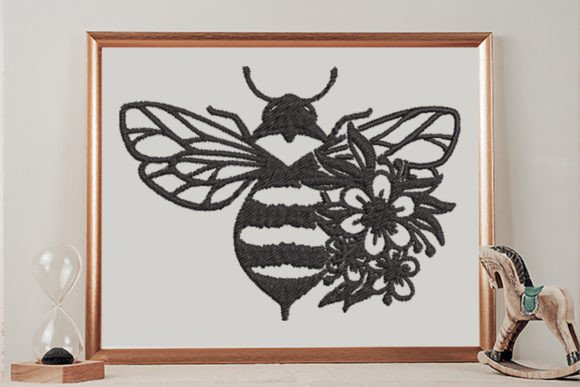
The title Honeycomb Bees suggests a natural, rustic, or perhaps farmhouse aesthetic, which remains incredibly popular among craft fair attendees. From a designer’s perspective, the "intricate" nature mentioned in the description is a double-edged sword. Intricacy implies detail, which can look premium and high-value, but it also risks losing clarity if the scale is wrong. My initial assessment is that this design leans toward a decorative, slightly vintage vibe. It feels organic rather than modern minimalism, making it perfect for buyers who appreciate artisanal quality.
In a crowded market of digital assets, designs that capture the essence of nature tend to stand out. The combination of the geometric precision of the honeycomb with the organic shapes of the bees creates a pleasing contrast. For an Etsy seller or boutique maker, this duality allows for versatile branding. It doesn't scream "loud," but rather whispers "handcrafted care." This subtlety is exactly what attracts customers who are looking for something special to add to their home or wardrobe, rather than a mass-produced item.
Product Application: Where Honeycomb Bees Shines
When preparing for a weekend craft fair, I always ask myself: where will this design live? Here is how Honeycomb Bees translates across various craf t fair product categories:
- Tote Bag Design: A large tote bag offers ample canvas for the intricate details of the honeycomb. Placing the design centrally on a canvas or denim tote allows the stitch density to shine without feeling cramped. This is likely your highest-volume item.
- Apron Embroidery: Linen or cotton aprons are staples at markets. The bees motif fits perfectly with the kitchen theme. However, ensure the placement avoids areas that will be constantly washed or rubbed against ovens.
- Tea Towel Embroidery: This is a classic impulse buy. The small size of tea towels requires careful scaling. If the design is too dense, it may look muddy on a small towel. Test this thoroughly.
- Embroidered Patch: Converting this into a patch allows you to sell it separately or attach it to hats and bags. The defined edges of the honeycomb make it suitable for a clean patch border.
- Caps and Hats: Curved surfaces can distort intricate designs. I would recommend using this as a smaller accent on the front panel of a cap, rather than a full chest piece, to maintain clarity.
- Fabric Pouches and Pillow Covers: These items allow for larger displays of the design. A pillow cover can showcase the full "vitality" of the insects, creating a statement piece that justifies a higher price point.
Production Practicalities and Quality Control
Before committing to a batch production run, there are critical technical considerations. As a professional, I never skip the test stitch-out. With Honeycomb Bees, the primary concern is the balance between the fine lines of the bee wings and the solid fills of the honeycomb cells.
Stitch Density and Clarity: If the design has high stitch density in small areas, it may become stiff and unappealing to the touch. Conversely, if the stitches are too sparse, the fabric texture might show through unevenly. You must check the stitch density to ensure the design holds its shape after washing, especially for items like aprons and tea towels.
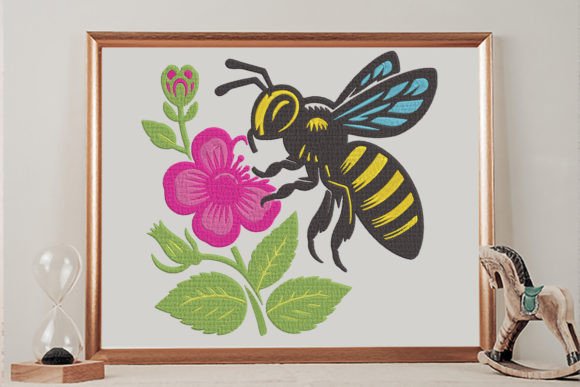
Thread Colors and Contrast: The success of this design relies heavily on thread choice. Yellow and black threads can easily blend together if the lighting is poor or if the fabric color is dark. I advise testing on your actual fabric texture before buying bulk materials. Light-colored fabrics like cream, white, or light linen usually provide the best contrast for this type of imagery. Dark fabrics require metallic or bright contrasting threads to make the bees pop.
Hooping and Stabilizers: Ensure the hoop size accommodates the largest version of the design you plan to offer. Using the right stabilizer is non-negotiable. For woven fabrics like cotton tea towels, cut-away stabilizer is often necessary to prevent puckering. For knits or stretchy fabrics used in caps, tear-away or water-soluble stabilizers might be more appropriate depending on the final use.
Selling Strategy and Customer Engagement
From a marketing standpoint, Honeycomb Bees tells a story. Customers at craft fairs love narratives. They want to know why you chose this design. Is it because you love gardening? Do you support pollinators? This emotional connection drives sales. When displaying your booth samples, group the different applications—totes, aprons, and patches—together to show versatility.
Photography is crucial for both online listings and booth signage. The intricate details need good lighting to be appreciated. A printable mockup can help you visualize how the design looks on different backgrounds, but nothing beats a real photo of the finished product. Use these photos in your Etsy seller listings to build trust and demonstrate quality.
For digital sellers offering this as a digital embroidery file, providing multiple sizes is key. Buyers often want to adapt the design to their own projects. Ensure you provide clear instructions on thread colors and recommended fabrics to reduce customer errors and returns.
Important Considerations for Commercial Use
While the design features charming depictions, you must verify the licensing terms. If you intend to sell finished goods, confirm that you have commercial embroidery rights. Some designers restrict the number of units you can sell or prohibit certain types of products. Always read the fine print to protect your business.
Additionally, inspect the design for any tiny details that might get lost in production. Small lettering or very thin lines can break during stitching, especially on textured fabrics. If the design includes text, ensure it is legible at the intended size. If not, consider removing it or enlarging it significantly.
Final Verdict
Honeycomb Bees is a strong contender for any small shop product lineup. Its rustic charm and intricate detail appeal to a broad demographic of handmade enthusiasts. By carefully managing production variables like fabric choice, stabilizer, and thread contrast, you can create high-quality finished products that stand out at craft fairs and online stores alike. Remember, the key to success lies in the execution. Test, refine, and present your work with pride. This design has the potential to be a bestseller if treated with the professional care it deserves.
In summary, this embroidery design captures the eye and the heart. It is versatile enough for a wide range of applications, from practical kitchen items to fashionable accessories. With proper planning and attention to detail, Honeycomb Bees can become a staple in your creative repertoire, driving engagement and sales for your handmade brand.